Hey there, amazing community! You know, sometimes we hear terms like “local administration” and our eyes glaze over a bit, thinking it’s all just dry paperwork and city hall bureaucracy.
But trust me, after diving deep into this world, I’ve found it’s anything but! It’s actually at the heart of everything that makes our communities tick, from the parks we relax in to the smart traffic lights making our commutes smoother.
The sheer depth of specialization within local government today is incredible, constantly evolving with exciting new challenges and opportunities. We’re talking about dedicated experts tackling everything from sustainable urban planning and cutting-edge environmental policy to ensuring fair public finance and revitalizing struggling neighborhoods.
These aren’t just buzzwords; they’re vital areas where real change happens, often driven by innovative approaches to technology and community engagement.
I’ve personally seen how these niche fields are shaping our future, making our towns and cities more resilient, equitable, and vibrant. It’s a dynamic landscape, and understanding these specific roles can truly open your eyes to the incredible work happening right on your doorstep.
Let’s dive in and explore the fascinating details below!
Crafting Tomorrow’s Landscapes: The Art of Urban Design
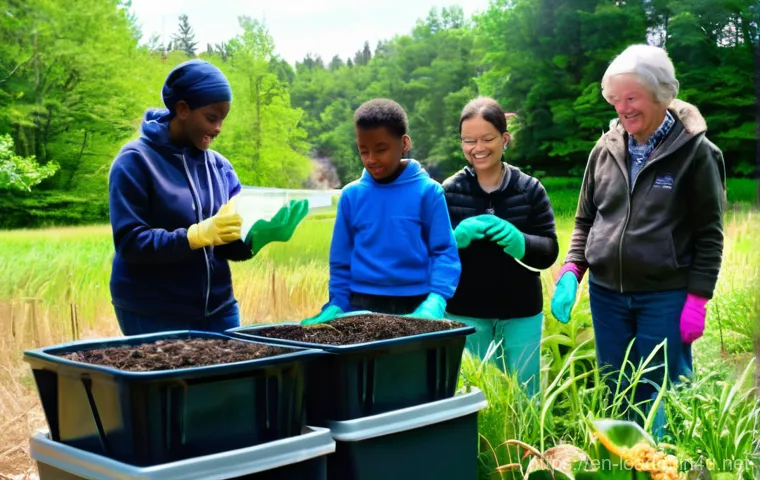
When I think about the places I love to visit, the vibrant city centers, the serene parks, or even just my own neighborhood, it’s impossible not to recognize the incredible thought that goes into shaping these spaces.
This isn’t just about drawing lines on a map; it’s about envisioning how people will live, work, and connect within a physical environment. I’ve always been fascinated by how a well-designed public square can bring people together, or how thoughtful zoning can protect a town’s unique character.
It’s a field that requires immense creativity, foresight, and a deep understanding of human behavior. The specialists in urban design are the unsung heroes who balance historical preservation with modern needs, ensuring that our towns aren’t just functional, but truly beautiful and inspiring places to call home.
Honestly, after seeing some of the transformations in my own city, I truly believe good urban planning makes all the difference in our daily happiness and quality of life.
It’s a huge puzzle, where every piece, from traffic flow to green spaces, has to fit perfectly. It’s a constant dance between growth and preservation, trying to get it just right for everyone.
Designing for Livability
Living in a city, you quickly learn to appreciate the little things that make life easier and more enjoyable. Those wide sidewalks, accessible public transport, or even just the perfectly placed bench in a park – these aren’t accidents.
They’re the result of meticulous planning by urban designers focused on livability. They consider:
- How walkable is a neighborhood? Can kids safely walk to school or can you easily stroll to the local grocery store?
- Are there enough green spaces for recreation and relaxation, offering a much-needed escape from the hustle and bustle?
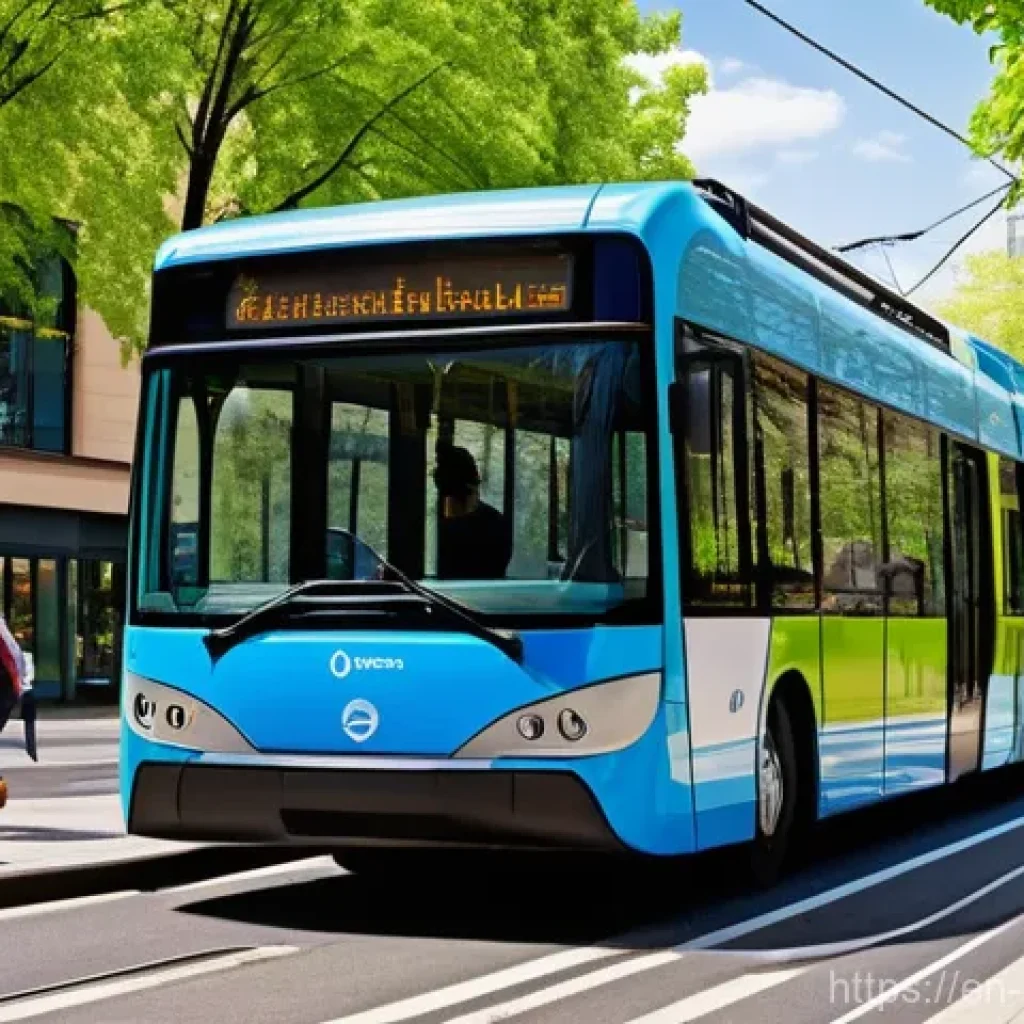
- Is public transportation efficient and accessible, reducing reliance on cars and easing traffic congestion?
- Do zoning laws effectively blend residential, commercial, and recreational areas to create self-sufficient, vibrant communities?
Smart Growth, Smart Future
I’ve seen firsthand how cities can sprawl outwards, sometimes losing their charm and efficiency in the process. That’s why the concept of “smart growth” really resonates with me.
It’s about more than just building upwards; it’s about intelligent, sustainable development that focuses on existing infrastructure and community needs.
This approach aims to:
- Reduce urban sprawl by encouraging compact, mixed-use developments within existing areas, making the most of every inch.
- Prioritize public transportation and non-motorized options, reducing carbon footprints and promoting healthier lifestyles.
- Preserve open spaces, farmlands, and environmentally sensitive areas, protecting our natural heritage for generations to come.
- Foster a strong sense of community by designing pedestrian-friendly areas and public spaces that encourage interaction and local businesses.
Safeguarding Our Shores and Souls: Environmental Stewardship
If there’s one area where I’ve seen local administration truly shine, it’s in environmental stewardship. I mean, who doesn’t want cleaner air, purer water, and thriving natural spaces right in their backyard?
It’s something I feel deeply passionate about, especially living near a beautiful coastline. The dedication of local environmental experts to protecting our ecosystems, from our precious wetlands to the air we breathe, is truly inspiring.
They’re the ones developing policies that curb pollution, manage waste responsibly, and champion sustainable practices that benefit us all. I remember when my local council introduced a new recycling program, and at first, I thought it might be a hassle, but seeing the tangible difference it made in our waste output really opened my eyes.
These efforts are not just about compliance; they’re about proactively shaping a healthier, greener future for our communities and our planet. It’s a commitment that requires constant vigilance, innovative thinking, and often, a lot of public education to get everyone on board.
Protecting Our Green Spaces
There’s nothing quite like escaping to a local park or nature reserve after a long week. These green spaces are vital for our well-being, and their existence is often thanks to dedicated local government initiatives.
I’ve seen my own community launch campaigns to:
- Acquire and preserve natural habitats, ensuring wildlife has a place to thrive away from urban encroachment.
- Develop and maintain accessible parks and trails, providing residents with opportunities for recreation and connection with nature.
- Implement tree planting programs, enhancing air quality, reducing urban heat, and beautifying our streets.
- Educate the public on local flora and fauna, fostering a sense of ownership and responsibility for our natural heritage.
Waste Not, Want Not: Sustainable Practices
Let’s be honest, dealing with waste is a huge challenge for any community. But I’ve been so impressed by the innovative ways local administrations are tackling this, moving us towards a more circular economy.
It’s not just about trash collection anymore; it’s about a comprehensive approach to resource management. My town has adopted several initiatives, and I’ve noticed a real difference:
- Enhanced recycling programs, making it easier for households and businesses to divert waste from landfills.
- Composting initiatives for organic waste, turning food scraps into valuable soil amendments rather than landfill fodder.
- Public education campaigns promoting waste reduction, reuse, and repair, empowering citizens to make more sustainable choices.
- Exploring advanced waste-to-energy technologies, turning what was once considered waste into a valuable resource.
The People’s Purse: Navigating Public Finance and Economic Vitality
Alright, let’s talk about money – specifically, how our local governments manage it. This might sound dry, but trust me, it’s one of the most critical functions, directly impacting everything from road repairs to school funding.
I’ve always been a bit of a budget hawk in my own life, so I deeply appreciate the immense responsibility involved in managing public funds. Local finance professionals are wizards, balancing endless needs with finite resources, all while ensuring transparency and accountability.
I remember attending a town meeting once where they presented the annual budget, and it was eye-opening to see the meticulous detail and the tough choices that had to be made.
They’re not just crunching numbers; they’re making decisions that profoundly shape our local economy, attracting businesses, creating jobs, and ensuring essential services are funded.
It’s a high-stakes game of strategy and stewardship, and frankly, I wouldn’t want their job, but I’m incredibly grateful they do it!
Balancing the Books, Boosting the Economy
It’s a constant juggling act, isn’t it? Local governments have to generate revenue, allocate funds, and still foster an environment where businesses can thrive.
I’ve seen how these decisions ripple through our community. Key aspects include:
- Responsible tax collection and management, ensuring funds are collected fairly and efficiently to support public services.
- Strategic budget planning, prioritizing essential services like public safety, education, and infrastructure projects.
- Securing grants and external funding, leveraging opportunities to bring additional resources into the community without burdening local taxpayers.
- Monitoring financial health and forecasting future needs, preparing for economic shifts and ensuring long-term fiscal stability.
Investing in Our Community
Beyond just keeping the lights on, local finance plays a huge role in proactive community development. It’s about planting seeds for future growth and ensuring our towns remain competitive and attractive places to live and work.
I’ve personally seen the benefits of smart investments in:
- Incentivizing new businesses to set up shop, bringing jobs and diversifying our local economy.
- Funding infrastructure improvements like broadband access and transportation networks, which are crucial for modern commerce.
- Supporting small business development and entrepreneurship programs, helping local dreams become economic realities.
- Investing in cultural and recreational facilities, making our communities more appealing to residents and visitors alike.
Building Bridges: Community Engagement and Social Equity
This is where local government truly comes alive, in my opinion – in the direct interaction with its people. I’ve always believed that a truly thriving community is one where everyone feels heard, valued, and has a real say in what happens.
Community engagement specialists are the heart of this process, reaching out, listening, and bringing diverse voices to the decision-making table. I’ve personally participated in local workshops and online forums, and while it can sometimes feel slow, the sheer dedication to gathering input and trying to build consensus is genuinely inspiring.
It’s not just about public meetings; it’s about actively identifying and addressing disparities, ensuring that services and opportunities are accessible to all, regardless of background or circumstance.
This commitment to social equity is what truly distinguishes a good local administration, striving to create a community where everyone has a fair shot at success and well-being.
Listening to Our Neighbors
Have you ever had a brilliant idea for your town, but didn’t know how to share it? Or perhaps you’ve felt frustrated by a local issue? This is where robust engagement mechanisms come into play.
Local administrations are constantly working to create avenues for dialogue, such as:
- Holding regular town hall meetings, providing direct access to elected officials and department heads.
- Developing online surveys and digital platforms to gather feedback on specific projects or policies, making participation easier for busy residents.
- Establishing citizen advisory committees, allowing community members to contribute their expertise on specific topics like parks or planning.
- Organizing neighborhood watch programs and community safety initiatives, fostering direct collaboration between residents and law enforcement.
Ensuring Everyone Has a Voice
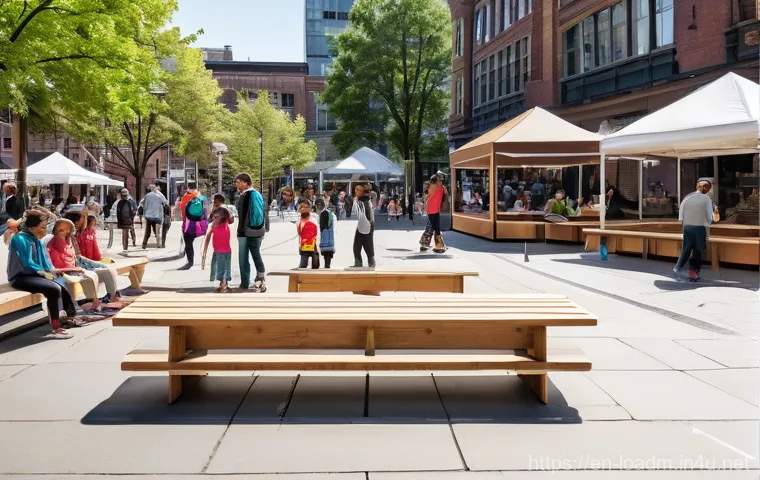
True equity means going beyond just offering opportunities; it means actively removing barriers. This is a tough, ongoing challenge, but it’s vital. I’ve witnessed efforts in my area to:
- Provide translated materials and interpreters for public meetings, ensuring language is not a barrier to participation.
- Implement accessible infrastructure and public buildings, making sure physical limitations don’t prevent access to services.
- Develop outreach programs targeting underserved communities, ensuring their unique needs and perspectives are understood and addressed.
- Promote diversity and inclusion within local government itself, reflecting the rich tapestry of the community it serves.
Below is a quick look at some key areas where community engagement fosters a stronger, more equitable local experience:
| Area of Focus | How Local Government Engages | Impact on Community |
|---|---|---|
| Urban Planning | Public hearings, design charrettes, online feedback portals | Ensures developments reflect community values and needs |
| Environmental Policy | Workshops on sustainability, citizen science projects, public consultations on new regulations | Empowers residents to protect local ecosystems, leads to greener initiatives |
| Public Services | Resident surveys, complaint hotlines, community task forces for specific issues | Improves service delivery, addresses resident frustrations directly |
| Social Programs | Focus groups, partnerships with local non-profits, outreach to vulnerable populations | Tailors programs to meet diverse community needs, reduces inequality |
From Potholes to Pixels: Infrastructure and Digital Transformation
Let’s face it, we often only notice infrastructure when it’s *not* working. A crumbling road, a slow internet connection – these things can be incredibly frustrating.
But behind the scenes, there’s a huge, dedicated team constantly working to build, maintain, and upgrade the physical and digital backbone of our communities.
I used to grumble about roadworks, but after learning about the complexities of civil engineering and project management involved, I have a newfound respect.
And now, in this digital age, the focus isn’t just on asphalt and pipes; it’s also about making sure our local government services are accessible and efficient online.
I’ve personally experienced the convenience of paying bills or applying for permits digitally, and it’s a game-changer. These specialists are bridging the gap between traditional civic duties and the demands of a tech-savvy population, constantly innovating to make our lives smoother and more connected.
Keeping Things Moving: Essential Infrastructure
Think about all the unseen systems that make your day-to-day life possible. From the water flowing into your tap to the electricity powering your home, it’s a massive network.
Local governments are responsible for:
- Maintaining and expanding road networks, bridges, and public transportation systems to ensure smooth commutes and economic flow.
- Managing water treatment and distribution systems, guaranteeing clean and safe drinking water for all residents.
- Overseeing wastewater and storm drain systems, protecting public health and preventing environmental contamination.
- Investing in public utilities like streetlights and reliable waste collection, contributing to overall community safety and cleanliness.
Tech That Connects Us
The digital revolution has certainly hit city hall, and in the best possible way! I’ve been so impressed with how many local governments are embracing technology to better serve their citizens.
It’s about making services more accessible, transparent, and efficient. This includes:
- Developing user-friendly online portals for permits, licenses, and service requests, streamlining bureaucratic processes.
- Implementing smart city technologies like intelligent traffic lights and public Wi-Fi, enhancing urban efficiency and connectivity.
- Utilizing data analytics to improve service delivery, identify community needs, and make evidence-based decisions.
- Strengthening cybersecurity measures to protect sensitive citizen data and ensure the integrity of digital public services.
Protecting Our Peace of Mind: Public Safety and Emergency Preparedness
Nothing makes you feel more secure in your home and community than knowing that there are dedicated professionals looking out for your safety. Local public safety teams – our police, firefighters, and emergency medical services – are the absolute backbone of our peace of mind.
I’ve personally seen their incredible courage and swift action during local emergencies, and it’s truly humbling. But beyond the immediate response, there’s a whole world of planning and prevention happening behind the scenes that most of us never even consider.
These specialists are constantly assessing risks, developing disaster plans, and training to ensure our communities are resilient in the face of anything, from natural disasters to public health crises.
It’s a field that demands unwavering commitment, rigorous training, and a profound sense of duty, all to keep us safe and sound. Knowing they’re always ready, always prepared, allows us to live our lives with a greater sense of security.
First Responders on the Front Lines
These are the heroes we see every day, running towards danger when others run away. Their work is incredibly diverse, demanding both bravery and compassion.
Our local public safety teams are focused on:
- Maintaining law and order, ensuring community safety through proactive policing and criminal investigations.
- Providing rapid response to fires, accidents, and other emergencies, saving lives and protecting property.
- Delivering critical medical aid during emergencies, often being the first point of contact in a crisis.
- Engaging in community outreach and education, building trust and fostering safer neighborhoods through programs like D.A.R.E or fire safety workshops.
Ready for Anything: Emergency Planning
While we hope for the best, local governments must always prepare for the worst. This involves intricate planning and coordination to ensure that when disaster strikes, our communities are ready to respond effectively and recover quickly.
I’ve been amazed by the detail that goes into this, covering:
- Developing comprehensive emergency management plans for various scenarios, including natural disasters like floods or hurricanes, and man-made incidents.
- Establishing and maintaining emergency shelters and communication systems, ensuring residents have safe places and reliable information during crises.
- Conducting regular drills and training exercises for first responders and public officials, honing their skills for real-world emergencies.
- Educating the public on personal emergency preparedness, empowering individuals and families to be self-sufficient for a period after a disaster.
글을 마치며
You know, writing this post has been such an incredible journey for me, truly peeling back the layers on something we often take for granted – our local administration.
It’s been eye-opening to see just how much dedication, expertise, and sheer hard work goes into making our communities function, thrive, and feel like home.
From the intricate details of urban planning that shape our daily walks to the tireless efforts in public safety that keep us secure, every single aspect is handled by passionate individuals.
It’s not just bureaucracy; it’s the heartbeat of our towns and cities, constantly evolving to meet new challenges. I genuinely hope this deep dive has given you a fresh perspective and a renewed appreciation for the often-unseen heroes working right on our doorstep.
알아두면 쓸모 있는 정보
1. Get Familiar with Your Local Council’s Website: This might sound obvious, but your local council or city hall website is a goldmine! It’s usually where you can find information on everything from waste collection schedules and planning applications to local events and job openings. I often find myself browsing it to stay updated on community projects and services. It’s typically well-organized and designed to be your first stop for any local inquiry, saving you a lot of time and effort navigating different departments.
2. Attend or Watch Public Meetings: Many local councils now live-stream their public meetings or archive them online. I’ve found that watching even just a segment can give you a fascinating insight into the discussions and decisions that shape your community. It’s where you truly see democracy in action, with debates on budgets, new developments, and local policies. It also helps you put faces to the names of your elected representatives and understand their priorities.
3. Utilize Your Local Library and Community Centers: These aren’t just for borrowing books! Modern libraries often host workshops, offer free Wi-Fi and computer access, and provide valuable local resources. Community centers are hubs for activities, classes, and often serve as polling stations or information points during local events or emergencies. I’ve discovered so many hidden gems and useful services by just dropping into my local library; they’re truly underutilized assets.
4. Sign Up for Local Government Newsletters: Most local administrations offer email newsletters that deliver updates directly to your inbox. This is a super convenient way to stay informed about road closures, new initiatives, public consultations, and emergency alerts. I’ve found these newsletters invaluable for keeping track of what’s happening without having to actively search for information. It’s a passive but highly effective way to stay engaged and prepared.
5. Know How to Report Local Issues: Spot a pothole that needs fixing? A streetlight out? Graffiti in your local park? Most local councils have dedicated online portals or apps for reporting non-emergency issues. I’ve personally used these tools and been genuinely impressed by how quickly issues are often addressed. Knowing the right channel to report problems means you’re contributing directly to the upkeep and improvement of your neighborhood, rather than just grumbling about it!
중요 사항 정리
Wow, what a journey we’ve had exploring the vibrant, multifaceted world of local administration! It’s truly incredible to realize just how many specialized areas work in concert to ensure our communities are not just functional, but truly thriving and enjoyable places to live.
From the thoughtful urban planners shaping our environment to the environmental stewards safeguarding our natural resources, and the finance experts ensuring fiscal health, every role is absolutely crucial.
We also saw how essential community engagement is in giving us all a voice, and how vital infrastructure and public safety teams are in keeping us connected and secure.
It’s a dynamic, ever-evolving landscape where dedicated professionals are constantly striving to improve our quality of life, often with innovative approaches and a deep commitment to our collective well-being.
So next time you see a local official, remember the immense work they do – it’s truly the foundation of our daily lives!
Frequently Asked Questions (FAQ) 📖
Q: What exactly is “local administration” beyond just dry paperwork and endless meetings?
A: Oh, I totally get why you might think that! Honestly, for the longest time, “local administration” just conjured up images of dusty archives and bureaucratic red tape for me too.
But after really digging into it, I’ve had a complete mindset shift! What I’ve learned is that it’s actually the vibrant engine that keeps our communities running, literally shaping the world right outside our doors.
Think of it less as a stuffy office and more as a dynamic ecosystem of dedicated folks making sure our parks are green, our streets are safe, and our kids have amazing schools.
It’s about building a better future, one neighborhood at a time, and I’ve personally seen how much passion and innovation goes into it every single day.
It’s far from boring – it’s where real life happens!
Q: You mentioned “specialized fields” within local government. What are some of these areas, and what kind of cool work do they involve?
A: That’s such a great question, and it really highlights how far local administration has come! It’s not just one big department; it’s a collection of highly specialized experts, each tackling unique challenges.
For example, we have brilliant urban planners who are designing our cities for tomorrow, thinking about everything from how easily you can walk to the grocery store to creating stunning public spaces for everyone to enjoy.
Then there are environmental policy specialists, who are absolute champions for our planet, developing innovative ways to reduce waste, improve air quality, and make our communities more sustainable.
And let’s not forget the public finance wizards, who carefully manage our tax dollars to ensure our towns can afford all those essential services, from libraries to fire departments.
I’ve even seen incredible work in community development, where teams focus on revitalizing older areas, bringing new life and opportunities to neighborhoods that truly need it.
It’s truly fascinating to see the depth of expertise!
Q: How does all this local administration stuff actually impact my daily life, and is there any way for me to get involved?
A: That’s the million-dollar question, right? And trust me, the impact is HUGE! From the moment you wake up, local administration is subtly woven into your day.
Those smooth roads you drive on? That’s local public works. The clean water coming out of your tap?
Local utilities. Your child’s school, the park where you walk your dog, the garbage truck that picks up your recycling, even the quick response from emergency services – all of that is thanks to local government working tirelessly behind the scenes.
It’s truly everything that makes our daily lives comfortable and safe. And yes, absolutely, you can get involved! That’s one of the most empowering things about local government.
You can attend town hall meetings, join a local community board, volunteer for initiatives, or simply reach out to your local council members to share your thoughts.
Your voice genuinely matters at this level, and I’ve seen firsthand how much of a difference active community members can make!